
The Grilling Hack No One Told You About
Why your chicken burns outside and stays raw inside
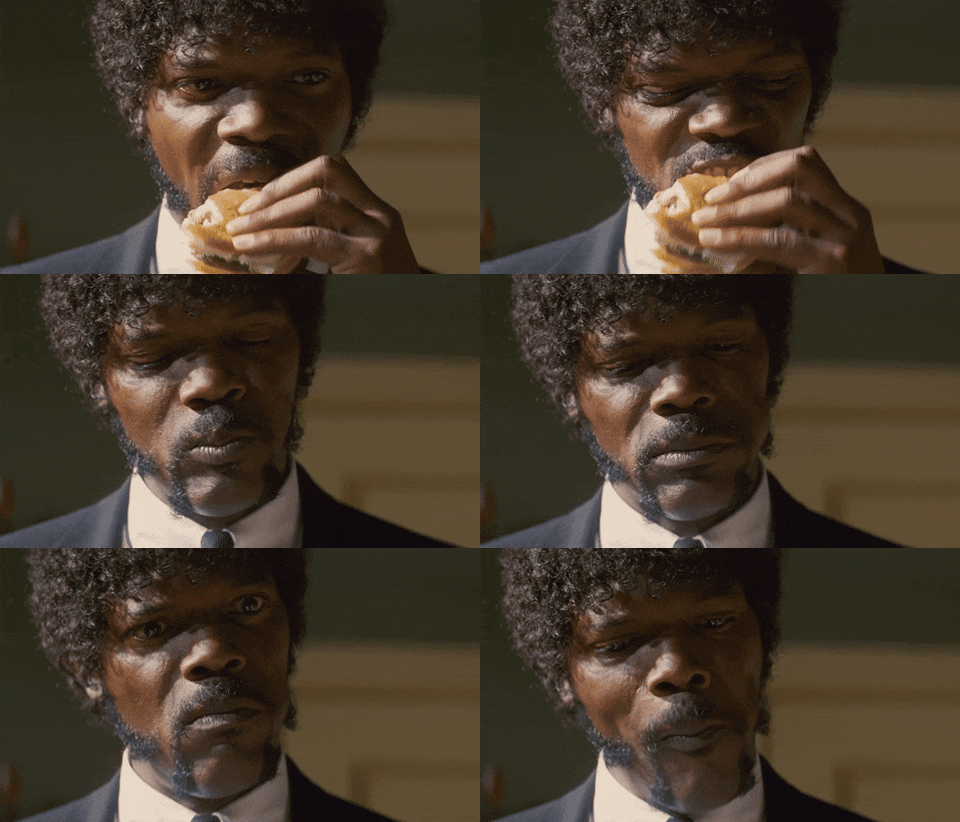
I feel like being able to grill in a chill, “Yeah, no worries. I’ll just throw it on the grill, it’s whatever” way is such a cool trait to have. I’m confident that I know my way around a kitchen and could whip up something out of pretty much anything, but take it outside, and you end up with one of two outcomes. Either I feign competence and present you with my specialty “Blackened Burger,” or I look like a lost puppy holding tongs, waiting for someone to take them out of my hands and take the reigns.
I thought I had a grasp on the basics; dump all the charcoal in, wait until it looks vaguely ready, throw on chicken thighs, sauce ‘em, and then…stand there staring blankly watching the outside turn black while the inside stayed the wrong kind of pink (then, cut into one, panic, and put everything back on for way too long, and give you a Unique Chewing Experience).
Finally, this year, my bruised pride and desperation to be “helpful” got the better of me and I took to TikTok, old Food Network compilation videos on YouTube, and calling my dad every 5 minutes, to figure it out.
The fix took me one afternoon to learn and totally changed the grilling game for me (and everyone subject to consuming the products of my efforts).
One Fire...Isn’t Enough
Most people (me) spread their coals evenly across the whole grill, or turn every burner to high. That gives you one temperature everywhere, which means every piece of food has one option…sear until done (kinda). For thin things like shrimp, asparagus, or a smashed burger, that works. For anything thicker than an inch, that does NOT, because the outside hits doneness long before the middle catches up.

Restaurants solve this problem with a hot pan and a warm oven, but on a grill, you can build both.
Charcoal: pile all your coals on one half of the grill. Leave the other half empty.
Gas: turn the burners on one side to high, leave the other side off.
It’s that easy. You now have a searing side and a vibing side, and you can move food between them.
Quick note!
If you’re like me and have too many tabs open at all times (a lot of them food and news related), check out our new newsletter called Foody News!
It's five short notes on what actually happens in the food world every week. New releases, weird recalls, the fast food chain doing something unhinged, the ingredient everyone suddenly cares about. It literally takes max 3min to read, and exists purely so you can be the person at the barbecue who knows things.
The Grilling Formula
Salt, Early + Dry Surface + Two Zones + Sauce at the End = Dinner
Salt, early
Salt your protein at least 40 minutes ahead (ideally the night before). Under 40 minutes and the salt is still sitting on the surface pulling moisture out. After that, it gets reabsorbed and seasons the whole thing. This is the single biggest difference between grilled chicken that tastes like something and grilled chicken that tastes like a…texture.
Dry the surface
Pat everything dry right before it hits the grate. Wet food steams instead of browning, and browning is where the flavor is (see: the million times I’ve mentioned the Maillard reaction).
Two zones
Thick food starts on the cool side with the lid down until it is about 15 degrees from your target temperature, then finishes over direct heat for 2 to 4 minutes a side. Thin food goes straight over the fire. Flare-up in progress, food moves to the cool side, and you close the lid. Fire needs oxygen, and you just took it away.
Sauce at the end
Sugar starts to burn around 265°F. Your grill is running 400 to 500. Anything with sugar in it (barbecue sauce, teriyaki, honey mustard, pretty much all the good stuff) goes on in the last 5 minutes, brushed in thin layers. Dry rubs can go on from the start.
The temps to memorize
⏱️ Chicken thighs: 175°F (much more forgiving than breasts)
⏱️ Chicken breasts: 160°F off the heat, they coast to 165 while resting
⏱️ Burgers: 160°F for ground beef
⏱️ Steak: 125°F rare, 135°F medium rare, 145°F medium
⏱️ Pork chops: 145°F (then leave them alone for 5 minutes)
A $15 instant-read thermometer will do more for your grilling than any upgrade you are currently considering! I promise!
Grilling Fun Fact
Charcoal briquettes exist because Henry Ford had a scrap wood problem.

Model T production generated tonsss of leftover wood, so Ford partnered with Edward Kingsford to compress the waste into fuel, then sold it through Ford dealerships alongside the cars. The Kingsford bag in your garage is named after the guy who sourced the timber!
Xx,
Saanya